Publication date: 2026-07-24
Category: Investing
Publication date: 2026-07-24
Category: Investing
Primary keyword: CXMT IPO
Supporting keywords: ChangXin Memory Technologies, China DRAM, STAR
Market, HBM, DDR5, semiconductor IP
Meta description: CXMT IPO를 계기로 중국 DRAM 업체의 생산능력, 외국인
투자 가능성, 기술 노드, HBM 진척, 삼성전자·SK하이닉스·마이크론과의 IP
리스크를 쉽게 정리했다.
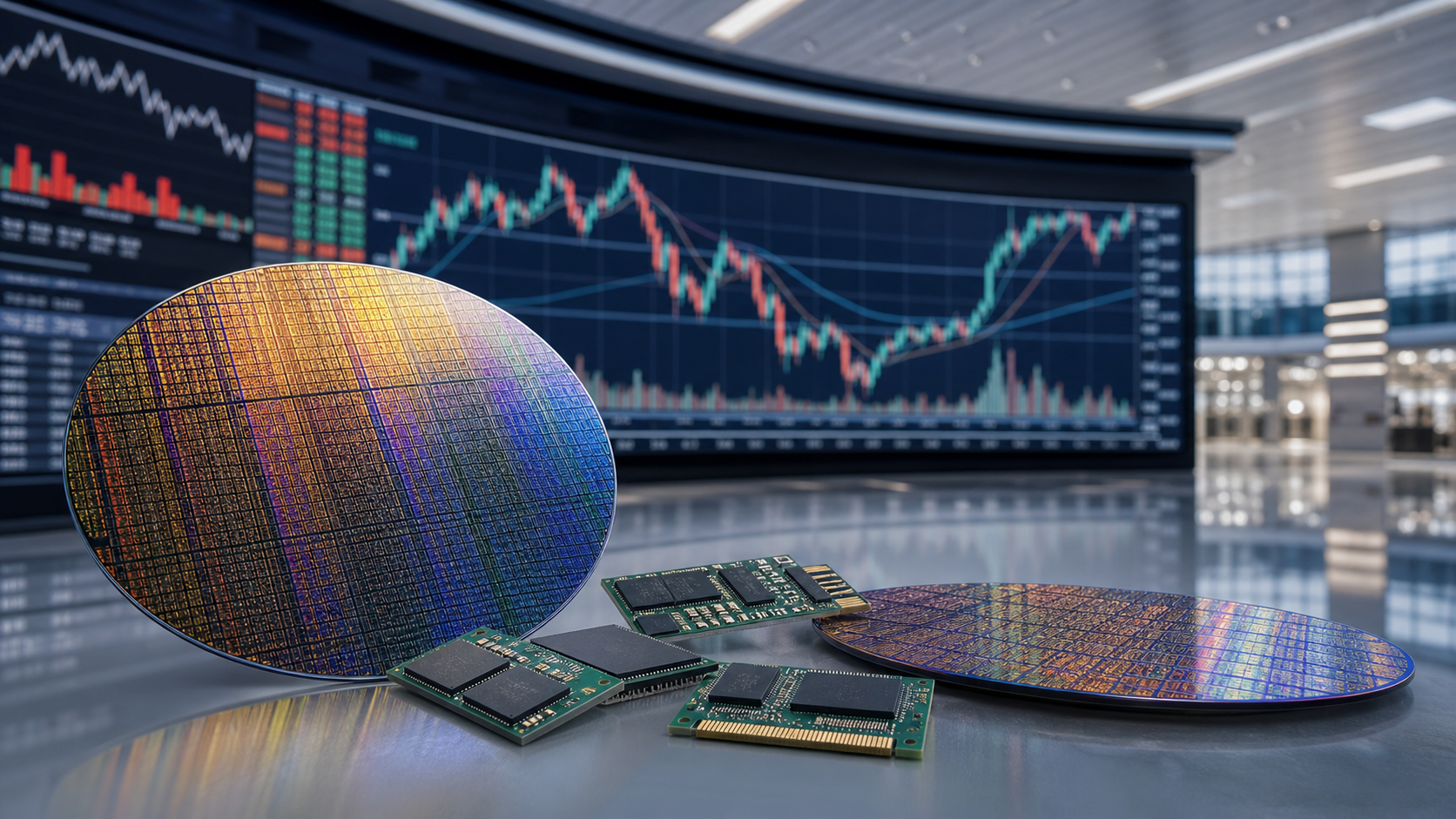
Featured image concept: Shanghai STAR Market trading screen with DRAM
wafers and memory modules in the foreground.
ALT text: CXMT IPO and China DRAM memory chips on a Shanghai trading
screen.
한국어 버전
Summary
-
CXMT는 2026년 7월 27일 상하이 STAR Market 상장을 앞두고 있으며,
공모 규모는 약 579억 위안, 미 달러 기준 약 86억 달러로
보도되었다. -
외국인이 바로 IPO에 참여하기는 쉽지 않다. 상장 후에도 Stock
Connect 편입 여부, STAR Market 전문투자자 요건, 브로커 접근성에 따라
거래 가능성이 갈린다. -
CXMT의 생산능력은 이미 글로벌 DRAM 시장에서 무시하기 어려운
규모로 커졌지만, HBM과 최첨단 노드에서는 삼성전자, SK하이닉스,
마이크론과 아직 분명한 격차가 있다.
(Advertisement)
Introduction
CXMT IPO는 단순한 중국 반도체 뉴스가 아니다. 메모리 사이클, 중국의
반도체 자립, 한국과 미국 메모리 업체의 중장기 경쟁 구도, 그리고 외국인
투자자의 중국 A주 접근성까지 한 번에 건드리는 이벤트다.
CXMT의 정식 이름은 ChangXin Memory Technologies다. 중국 안후이성
허페이를 기반으로 성장한 DRAM 회사이며, 중국이 가장 전략적으로 키우고
있는 메모리 반도체 업체라고 보면 된다. NAND 쪽에 YMTC가 있다면, DRAM
쪽에는 CXMT가 있다.
이번 글에서는 조금 편하게 이야기하듯 정리해보려 한다. 핵심 질문은
다섯 가지다.
첫째, CXMT IPO가 왜 중요한가? 둘째, 외국인이 이 주식을 살 수 있는가?
셋째, 생산능력은 얼마나 큰가? 넷째, 기술 노드와 HBM 진척은 어디쯤인가?
다섯째, 삼성전자, SK하이닉스, 마이크론과의 IP 문제는 정말 없는가?
결론부터 말하면, CXMT는 이미 “중국 내수용 실험 기업” 수준을 넘어섰다.
다만 아직 “글로벌 메모리 3강과 같은 급”이라고 말하기에는 이르다. 더
정확한 표현은 이렇다. CXMT는 범용 DRAM에서는 의미 있는 공급자로
올라왔고, 중국 내수 시장에서는 가격과 정책의 힘을 같이 쓸 수 있는 강력한
플레이어가 되었다. 그러나 HBM, 고성능 서버 DRAM, 최첨단 공정, 글로벌
고객 인증, IP 방어력에서는 아직 갈 길이 멀다.
CXMT IPO, 무엇이 일어난
것인가?
보도에 따르면 CXMT는 2026년 7월 27일 상하이증권거래소 STAR Market에
상장될 예정이다. STAR Market은 중국판 나스닥처럼 기술 기업 중심으로
설계된 시장이다. CXMT의 예상 종목 코드는 688825로 알려져 있으며,
공모가는 8.66위안, 공모 규모는 약 579억 위안, 달러 기준 약 86억 달러로
보도되었다. 이는 2026년 아시아 최대 IPO이자 STAR Market 역사상 가장 큰
축에 들어가는 거래로 평가된다.
숫자만 보면 인상적이다. 하지만 더 중요한 것은 이 IPO가 자금 조달
이벤트를 넘어 산업정책 이벤트라는 점이다. 중국은 AI 서버, 스마트폰, PC,
자동차, 산업 장비에 필요한 메모리를 해외 업체에 계속 의존하기 어렵다고
본다. 특히 미국의 수출통제 이후 중국의 반도체 전략은 “가장 앞선 제품을
당장 따라잡는다”보다 “핵심 공급망을 중국 안에서 최대한 닫는다”에
가까워졌다.
DRAM은 그 전략에서 중요한 빈칸이었다. 로직 반도체는 SMIC가 있고,
NAND는 YMTC가 있다. 하지만 DRAM은 삼성전자, SK하이닉스, 마이크론의 3강
구조가 워낙 단단했다. 기술도 어렵고, 장비도 많이 필요하고, 수율을 올리는
데 시간이 오래 걸리며, 특허 장벽도 높다. 새 플레이어가 들어오기 가장
어려운 반도체 시장 중 하나다.
그래서 CXMT가 상장한다는 것은 “중국이 DRAM에서 독립적인 대형 공급자를
만들었다”는 상징성이 있다. 물론 완전한 독립은 아니다. EUV 없이 얼마나
미세화할 수 있는지, 미국·일본·네덜란드 장비 통제 아래에서 얼마나
안정적으로 증설할 수 있는지, 해외 고객이 CXMT 제품을 얼마나 쓸 수
있는지는 아직 열린 질문이다. 그래도 시장은 더 이상 CXMT를 무시할 수
없다.
외국인이 CXMT 주식을 살 수
있나?
이 질문이 가장 실용적이다. 답은 “가능할 수도 있지만, 일반적인 해외
개인투자자가 IPO 단계에서 쉽게 살 수 있는 구조는 아니다”에 가깝다.
CXMT는 홍콩이나 미국에 상장되는 것이 아니라 중국 본토 A주 시장,
그중에서도 상하이 STAR Market에 상장된다. 해외 투자자가 중국 A주를 사는
대표 경로는 크게 두 가지다. 하나는 QFI 같은 적격외국인투자자 제도이고,
다른 하나는 홍콩을 통한 Northbound Stock Connect다.
문제는 모든 A주가 Stock Connect로 바로 거래되는 것이 아니라는 점이다.
상하이증권거래소도 Northbound Stock Connect 대상은 “일부 A주”라고
설명한다. 즉 상장되었다고 해서 자동으로 해외 계좌에서 바로 살 수 있는
것은 아니다. 종목이 편입되어야 하고, 브로커가 지원해야 하며, STAR Market
종목에는 추가적인 투자자 자격 제한이 붙을 수 있다.
특히 STAR Market 종목은 일반 메인보드 A주와 다르게 변동성이 크고
투자자 적합성 규정이 강하다. Stock Connect를 통해 접근 가능한 경우에도
해외 개인투자자 전부가 자유롭게 매수할 수 있다고 보기 어렵다. 일부 홍콩
브로커나 글로벌 브로커는 STAR Market 거래를 전문투자자 또는 기관에만
열어둘 수 있다.
따라서 현실적인 답은 이렇게 정리하는 것이 좋다.
IPO 청약 자체는 외국인 개인에게 매우 제한적이다. 상장 후에는 CXMT가
Stock Connect 적격 종목이 되는지 확인해야 한다. 가능하더라도 STAR Market
접근 권한이 있는 브로커와 투자자 자격이 필요할 수 있다. 한국이나 미국의
일반 증권계좌에서 삼성전자나 마이크론처럼 바로 클릭해서 살 수 있는
주식은 아니다.
또 하나 봐야 할 점은 유동성과 변동성이다. STAR Market은 상장 후 첫
5거래일 동안 가격 제한이 없고, 이후에도 일반 A주 10% 제한이 아니라 20%
가격 제한이 적용된다. CXMT처럼 정치적 상징성, AI 기대감, 메모리 사이클,
중국 반도체 테마가 모두 붙은 종목은 첫 거래 구간에서 가격이 크게 흔들릴
수 있다. 접근 가능 여부와 별개로, 외국인이 들어간다면 “좋은 회사니까
사자”보다 “어떤 가격에 어떤 리스크를 감수하는가”가 훨씬 중요하다.
CXMT 생산능력은 얼마나 큰가?
CXMT의 정확한 생산능력은 회사가 삼성전자나 SK하이닉스처럼 상세하게
공개하는 숫자가 아니기 때문에 추정치가 섞인다. 그래도 여러 보도와
애널리스트 추정을 종합하면 방향은 분명하다. CXMT는 더 이상 작은 시험
생산 업체가 아니다.
2024년 전후로는 월 17만 장 수준의 300mm 웨이퍼 투입능력이라는 추정이
있었다. 2025년에는 24만 장 안팎으로 올라간다는 전망이 나왔고, 2025년 말
기준 26만~30만 장 수준이라는 보도도 있다. 최근 IPO 관련 기사에서는 월
35만 장 또는 40만 장을 향한 증설 목표가 언급되기도 한다. 보수적으로 보면
현재 또는 가까운 시점의 CXMT는 월 25만~30만 장급 DRAM 생산능력을 가진
업체로 보는 것이 무난하다.
이 숫자가 어느 정도냐면, 글로벌 3강과 비교하면 아직 작지만 중국
내에서는 압도적으로 크다. DRAM은 웨이퍼 투입량이 전부가 아니다. 어떤
노드에서 생산하느냐, 수율이 얼마냐, 제품 믹스가 DDR4인지 DDR5인지,
모바일 LPDDR인지, 서버용인지, HBM인지가 더 중요하다. 그래도 월 25만~30만
장이라는 숫자는 시장 가격과 고객 협상력에 영향을 줄 수 있는 규모다.
CXMT의 초기 생산은 주로 DDR4와 LPDDR4X였다. 허페이 Fab 1은 19nm급
DDR4 중심으로 알려져 있고, 월 10만 장 수준의 규모가 언급되었다. Fab 2는
DDR5와 더 미세한 공정으로 이동하는 핵심 라인으로 보도되었고, 17nm 또는
16nm급 DDR5 생산과 연결된다. 이후 허페이와 베이징을 포함한 여러 12인치
DRAM 팹 네트워크로 확장하고 있다는 보도가 나온다.
여기서 중요한 포인트는 “CXMT의 증설이 어느 시장을 때리느냐”다. 가장
먼저 압박을 받는 곳은 최첨단 HBM이 아니라 범용 DRAM이다. DDR4, LPDDR4X,
일부 DDR5, 중국 내 PC와 스마트폰, 네트워크 장비, 산업용 기기 쪽에서
CXMT의 존재감이 커질 가능성이 크다.
삼성전자, SK하이닉스, 마이크론은 AI 서버용 HBM과 고부가 DDR5,
LPDDR5X, 서버 모듈로 무게중심을 옮기고 있다. 그 사이 CXMT가 중국 내 범용
수요를 채우면, 글로벌 메모리 업체들은 중국 시장 일부를 잃을 수 있다.
특히 마이크론은 중국 내 규제와 고객 다변화 압력을 이미 경험했기 때문에
CXMT의 부상이 더 민감하다.
다만 CXMT의 생산능력이 커진다고 해서 곧바로 글로벌 DRAM 가격이
무너진다고 보기는 어렵다. 이유는 세 가지다. 첫째, CXMT 제품의 상당
부분은 중국 내수와 정책 수요로 흡수될 수 있다. 둘째, 고성능 서버와
HBM에서는 아직 공급 대체력이 제한적이다. 셋째, 장비 수급과 수율 개선
속도가 증설 속도를 제한할 수 있다.
그래도 방향성은 분명하다. CXMT는 메모리 사이클에서 “중국발 추가
공급”이라는 새로운 변수가 되었다.
기술 노드: CXMT는 어디까지
왔나?
기술 노드 이야기는 조금 복잡하지만 쉽게 말하면 이렇다. CXMT는 DDR4
시대의 19nm급에서 시작해 DDR5에서는 17nm와 16nm급으로 넘어가고 있다.
보도에 따르면 CXMT의 첫 DDR5 제품은 17nm에서 시작했지만, TechInsights
분석과 여러 업계 보도는 CXMT가 17nm 단계를 건너뛰거나 빠르게 지나 16nm급
D1z 노드로 이동했다고 설명한다. 15nm급 개발도 진행 중이며, 2026년 말
양산 가능성이 언급된다.
제품 측면에서는 이미 DDR4, LPDDR4X뿐 아니라 DDR5와 LPDDR5/5X까지 회사
제품 페이지에 올라와 있다. CXMT는 DDR5 칩에서 16Gb와 24Gb 용량, 최대
8000Mbps 속도를 제시하고 있다. LPDDR5X는 12Gb와 16Gb 다이, 최대
10667Mbps 속도를 내세운다. 숫자만 놓고 보면 중국 내 고객에게는 충분히
매력적인 스펙이다.
하지만 삼성전자, SK하이닉스, 마이크론과의 격차는 여전히 있다. 글로벌
3강은 이미 12nm급 DDR5, 1b, 1c 노드, 고성능 서버 DRAM, HBM3E와 HBM4
로드맵에서 경쟁하고 있다. DRAM에서 “몇 nm 차이”는 단순한 마케팅 숫자가
아니다. 같은 용량을 더 작은 면적에 넣을 수 있느냐, 전력 소비가 얼마나
낮으냐, 웨이퍼당 칩 수가 얼마나 나오느냐, 수율이 얼마나 빨리
안정화되느냐에 직접 연결된다.
그래서 CXMT의 16nm DDR5 진입은 매우 큰 진전이지만, 동시에 아직 3강을
따라잡았다는 뜻은 아니다. 더 정확하게는 “기술 격차가 존재하지만,
과거보다 훨씬 빠르게 좁히고 있다”가 맞다.
수율도 중요하다. 2024년 말 보도에서는 CXMT의 DDR5 수율이 초기 50%
수준에서 약 80%까지 올라왔고, 2025년 말 90%를 목표로 한다는 내용이
나왔다. DDR4 수율은 약 90% 수준이라는 언급도 있었다. 수율 숫자는
외부에서 검증하기 어렵기 때문에 그대로 확정치로 받아들이면 안 된다.
하지만 방향성은 중요하다. 중국 DRAM이 “만들 수는 있지만 싸고
안정적으로는 어렵다” 단계에서 “중국 내 고객에게 충분히 쓸 만한 품질과
가격을 제시할 수 있다” 단계로 움직이고 있다는 뜻이다.
HBM, 또는 사용자가
말한 HPM은 어느 정도인가?
사용자가 “HPM progress”라고 표현했는데, 문맥상 아마 HBM, 즉 High
Bandwidth Memory를 의미한 것으로 보고 정리하겠다. 만약 HPM이 다른
의미라면 따로 정정하면 된다.
HBM은 CXMT 이야기에서 가장 흥미롭지만 동시에 가장 조심해야 하는
부분이다. HBM은 단순히 DRAM 칩을 잘 만드는 것으로 끝나지 않는다. 여러
장의 DRAM 다이를 수직으로 쌓고, TSV를 통해 연결하고, 인터포저나 고급
패키징과 맞물리며, GPU나 AI 가속기 업체의 까다로운 인증을 통과해야 한다.
여기서 SK하이닉스가 압도적인 선두이고, 삼성전자와 마이크론이 따라가는
구조다.
CXMT도 HBM 개발을 하고 있다. 2024년 말과 2025년 보도에서는 HBM2 고객
샘플링, 2025년 중 저율 또는 소량 생산 가능성이 언급되었다. 2026년에는 더
공격적인 HBM 로드맵과 중국 AI 반도체 업체와의 연결 가능성이 거론된다.
중국 입장에서는 HBM이 정말 중요하다. 엔비디아의 최상위 GPU를 자유롭게 살
수 없는 상황에서, 중국 자체 AI 가속기 생태계가 커지려면 메모리 병목을
줄여야 하기 때문이다.
그러나 HBM2와 HBM3E, HBM4는 완전히 다른 이야기다. 현재 AI 서버
시장에서 가장 돈이 되는 제품은 HBM3E와 앞으로의 HBM4다. SK하이닉스,
삼성전자, 마이크론은 엔비디아, AMD, 대형 클라우드 고객과 인증 사이클을
돌리고 있다. CXMT가 HBM2 샘플링을 하고 있다는 것은 의미 있는 진전이지만,
글로벌 AI 메모리 시장의 프리미엄 물량을 당장 빼앗는다는 뜻은 아니다.
오히려 CXMT의 HBM은 먼저 중국 내 AI 가속기와 정책 수요에서 의미가
커질 가능성이 높다. 성능은 글로벌 최고 제품보다 뒤처질 수 있지만, 중국
내에서는 “쓸 수 있는 국산 HBM” 자체가 전략적 가치가 있다. 미국
수출통제가 계속된다면, 중국 고객은 최고 성능이 아니더라도 공급 안정성과
정책 적합성을 더 중요하게 볼 수 있다.
투자 관점에서는 CXMT의 HBM을 이렇게 보는 편이 좋다. 단기적으로
SK하이닉스의 HBM 프리미엄을 크게 흔들기는 어렵다. 중기적으로 중국 내 AI
반도체 생태계에는 중요한 병목 해소 요인이 될 수 있다. 장기적으로는 HBM
가격과 기술 리더십에 대한 심리적 압박을 줄 수 있다.
삼성전자,
SK하이닉스, 마이크론과 IP 문제는 없나?
“No IP issues with major 3 companies”라는 표현은 조심해서 다뤄야
한다. 현재 공개적으로 확인되는 범위에서, 삼성전자·SK하이닉스·마이크론이
CXMT를 상대로 대형 특허 소송을 제기해 CXMT 제품 판매를 막고 있다는 식의
명확한 상황은 아니다. 그런 의미에서는 “현재 CXMT의 IPO나 중국 내 판매를
막는 결정적 공개 특허소송은 없다”고 말할 수 있다.
하지만 “IP 문제가 없다”고 단정하는 것은 위험하다. DRAM 산업은 특허와
영업비밀의 장벽이 매우 높다. 삼성전자, SK하이닉스, 마이크론은 수십 년간
쌓은 공정, 셀 구조, 회로, 패키징, 테스트, 모듈 관련 특허를 가지고 있고,
서로 복잡한 크로스 라이선스 관계를 형성해왔다. 신규 업체가 글로벌
시장으로 나가면 이런 특허망에 부딪힐 수 있다.
또한 한국에서는 전직 삼성전자 임직원들이 10nm급 DRAM 관련 기술을 중국
업체, 특히 CXMT와 연결된 방식으로 유출했다는 혐의로 기소되거나 처벌된
보도가 있었다. 이 사안은 “CXMT가 글로벌 특허소송에서 졌다”와는 다르다.
그러나 IP와 영업비밀 리스크가 완전히 없다고 보기 어렵게 만드는
요소다.
마이크론과의 관계도 민감하다. 중국 정부가 과거 일부 마이크론 제품에
보안 심사를 통해 제한을 걸었고, 미국 정치권에서는 CXMT에 대한 제재
필요성을 언급한 적이 있다. 이것은 직접적인 특허소송이라기보다 미중
반도체 갈등의 일부다. 그래도 CXMT가 해외 고객, 특히 미국·유럽·일본·한국
고객에게 본격적으로 팔려고 할 때는 특허, 규제, 고객 리스크가 함께 올라갈
수 있다.
정리하면 이렇다. 중국 내 판매와 IPO 관점에서는 IP 문제가 즉각적인
걸림돌로 보이지 않는다. 그러나 글로벌 확장 관점에서는 IP가 가장 큰
구조적 리스크 중 하나다. 삼성전자, SK하이닉스, 마이크론이 보유한 특허
포트폴리오와 고객 인증 네트워크는 CXMT가 쉽게 넘기 어려운 벽이다.
CXMT가 메모리 3강을 위협할까?
위협한다. 하지만 모든 영역에서 같은 강도로 위협하는 것은 아니다.
가장 먼저 영향을 받는 곳은 중국 내 범용 DRAM이다. 중국 스마트폰, PC,
서버, 네트워크 장비 업체가 CXMT DDR4, LPDDR4X, DDR5, LPDDR5X를 더 많이
쓰게 되면 삼성전자, SK하이닉스, 마이크론의 중국 매출 일부가 줄어들 수
있다. 특히 가격 민감도가 높은 제품에서는 CXMT가 5~10% 낮은 가격을 제시할
수 있다는 보도도 있어, 고객 입장에서는 충분히 매력적이다.
두 번째 영향은 투자심리다. 메모리 주식은 항상 공급 사이클에 민감하다.
투자자들은 “누가 얼마나 증설하는가”에 예민하다. CXMT가 IPO 자금으로
설비투자를 늘리면, 시장은 언젠가 범용 DRAM 공급 과잉이 다시 올 수 있다고
걱정한다. 실제로 CXMT가 고급 HBM을 바로 대체하지 못하더라도, 범용 DRAM
가격에는 심리적 부담이 될 수 있다.
세 번째 영향은 중국 고객의 협상력이다. 중국 OEM이 삼성전자,
SK하이닉스, 마이크론과 가격 협상을 할 때 “국산 대체재가 있다”는 카드는
점점 강해진다. 대체재가 완벽하지 않아도 협상력은 생긴다. 이것은 메모리
업체의 중국 내 마진에 부담이 될 수 있다.
반면 HBM과 최첨단 서버 DRAM에서는 당장 3강을 대체하기 어렵다.
SK하이닉스의 HBM 리더십은 단순한 생산능력 문제가 아니라 고객 인증,
패키징, 수율, 열 관리, 장기 공급계약이 결합된 결과다. 삼성전자와
마이크론도 이 시장에 막대한 투자를 하고 있다. CXMT가 HBM2에서 진전을
보여도, HBM3E와 HBM4의 프리미엄 시장을 빠르게 차지한다고 보는 것은
과하다.
투자 관점에서 봐야 할 포인트
CXMT IPO를 보는 투자자는 몇 가지를 분리해서 봐야 한다.
첫째, CXMT 자체의 성장성이다. 중국 반도체 자립이라는 정책적 지원, 큰
내수 시장, 빠른 생산능력 확대, DDR5와 LPDDR5X 진입은 모두 긍정적이다.
회사가 상장 후 계속 자금을 조달할 수 있다면 장비와 R&D에 더
공격적으로 투자할 수 있다.
둘째, 가격이다. 좋은 산업 스토리와 좋은 주식 수익률은 다르다. 공모가
기준 기업가치가 약 5790억 위안으로 보도된다면, 투자자는 이미 상당한
기대가 반영되어 있는지 봐야 한다. 메모리 산업은 사이클 산업이다. 이익이
좋아 보일 때 밸류에이션이 비싸지고, 공급이 늘어난 뒤 가격이 꺾이면
실적이 빠르게 흔들릴 수 있다.
셋째, 접근성이다. 외국인 투자자는 단순히 “사고 싶다”가 아니라 “내
브로커에서 살 수 있는가, STAR Market 자격이 되는가, Stock Connect 편입이
되었는가, 세금과 환전 비용은 어떤가”를 확인해야 한다.
넷째, 3강에 미치는 영향이다. CXMT가 삼성전자, SK하이닉스, 마이크론을
당장 무너뜨리지는 않는다. 그러나 범용 DRAM에서 중국 시장을 잠식하고,
장기적으로 가격 협상력을 낮추는 요인이 될 수 있다. 특히 마이크론은 중국
비중과 지정학 리스크 때문에 더 민감하게 반응할 수 있다. SK하이닉스는 HBM
중심의 프리미엄 믹스가 방어막이고, 삼성전자는 범용부터 HBM까지 넓은
포트폴리오를 가진 만큼 영향이 복합적이다.
다섯째, 기술 진척의 속도다. 16nm DDR5, 15nm 개발, LPDDR5X 제품화,
HBM2 샘플링은 모두 중요하다. 하지만 진짜 체크포인트는 고객 인증, 양산
수율, 고용량 서버 DIMM, HBM3급 제품, 중국 AI 가속기와의 실제
채택이다.
Conclusion
CXMT IPO는 중국 DRAM 산업이 “정책 구호”에서 “시장에 실제 물량을 내는
단계”로 넘어왔다는 신호다. 이 회사는 이미 중국 내수 시장에서 의미 있는
대체재가 되었고, 생산능력은 글로벌 메모리 사이클에서도 무시하기 어려운
수준으로 커지고 있다.
하지만 CXMT를 삼성전자, SK하이닉스, 마이크론과 같은 선에 놓는 것은
아직 이르다. 범용 DRAM에서는 빠르게 따라오고 있지만, HBM과 최첨단 노드,
글로벌 고객 인증, IP 방어력에서는 여전히 격차가 크다.
외국인 투자자에게는 특히 접근성 문제가 중요하다. CXMT가 상장된다고
해서 해외 계좌에서 바로 쉽게 살 수 있는 것은 아니다. Stock Connect 편입
여부, STAR Market 접근 자격, 브로커 지원 여부를 확인해야 한다. 그리고
접근이 가능하더라도 IPO 직후에는 테마성과 유동성, 가격 제한 구조 때문에
변동성이 매우 클 수 있다.
한 줄로 정리하면 이렇다. CXMT IPO는 한국과 미국 메모리 업체를 당장
무너뜨리는 이벤트가 아니라, 중국이 범용 DRAM에서 자립 가능한 대형
공급자를 만들었다는 이벤트다. 단기 승부처는 HBM이 아니라 중국 내
DDR4·DDR5·LPDDR 시장이다. 그러나 장기적으로는 이 작은 차이가 메모리
산업의 가격, 투자, 고객 협상력, 지정학 리스크를 계속 바꿔갈 가능성이
크다.
Related Topics
- 중국 반도체 자립과 미국 수출통제
- DRAM 사이클과 HBM 투자전략
- 삼성전자·SK하이닉스·마이크론의 HBM 경쟁
- STAR Market과 외국인의 중국 A주 투자 접근성
- YMTC와 CXMT: 중국 메모리 산업의 두 축
English Version
CXMT IPO:
How Far Has China’s DRAM Champion Really Come?
Publication date: 2026-07-24
Category: Investing
Summary
-
CXMT is expected to debut on Shanghai’s STAR Market on July 27,
2026, after a reported IPO raising about RMB 57.9 billion, or roughly
US$8.6 billion. -
Most foreign individual investors are unlikely to access the IPO
directly. Post-listing access depends on Stock Connect eligibility, STAR
Market rules, broker support, and investor qualification. -
CXMT has become a serious DRAM supplier in China, but it still
trails Samsung Electronics, SK hynix, and Micron in HBM, leading-edge
nodes, global customer qualification, and IP depth.
(Advertisement)
Introduction
The CXMT IPO is not just another Chinese technology listing. It sits
right at the intersection of memory cycles, China’s semiconductor
self-sufficiency push, AI infrastructure, Korean memory stocks, Micron’s
China exposure, and the awkward question foreign investors always face
with mainland A-shares: can I actually trade this thing?
CXMT stands for ChangXin Memory Technologies. It is China’s most
important domestic DRAM maker, based around Hefei in Anhui province. If
YMTC is China’s NAND flash champion, CXMT is its DRAM champion.
This article keeps the tone casual, but the topic is serious. The key
questions are simple. What is happening with the IPO? Can foreigners buy
the stock? How large is CXMT’s capacity? What technology nodes is it
using? What is happening in HBM? And does CXMT really have no IP issue
with Samsung, SK hynix, and Micron?
The short answer is this: CXMT has already moved beyond the “small
domestic experiment” stage. It is now a meaningful supplier in
mainstream DRAM, especially inside China. But it is not yet a peer of
Samsung, SK hynix, and Micron across the full memory stack. The right
way to think about CXMT is as a fast-rising, state-backed, increasingly
credible challenger in commodity and China-facing DRAM, not yet as a
full replacement for the global memory leaders in HBM, server DRAM,
advanced process nodes, or global customer ecosystems.
What Exactly Is
Happening With the CXMT IPO?
CXMT is expected to list on the Shanghai Stock Exchange’s STAR Market
on July 27, 2026. The STAR Market is China’s technology-focused board,
often described as a Nasdaq-style venue for strategic technology
companies. Reports point to a stock code of 688825, an IPO price of RMB
8.66 per share, proceeds of about RMB 57.9 billion, and an implied
valuation around RMB 579 billion. In dollar terms, the IPO size is
roughly US$8.6 billion, making it one of Asia’s biggest listings of the
year.
That number matters, but the symbolism matters even more.
China has spent years trying to reduce dependence on imported chips.
In logic, it has SMIC. In NAND, it has YMTC. In DRAM, the problem has
been harder. DRAM is one of the most consolidated and difficult
semiconductor markets in the world. Samsung, SK hynix, and Micron
dominate because they have decades of manufacturing experience, massive
capex budgets, deep patent portfolios, and extremely refined process
know-how.
New DRAM companies rarely survive. The business burns capital,
requires huge cleanrooms, depends on expensive process tools, and
becomes profitable only when yield, density, and scale all work
together. That is why CXMT’s listing is more than a financing event. It
is China telling the market that it now has a national-scale DRAM
platform.
Still, investors should not overread the IPO. A large listing does
not automatically mean technological parity. CXMT still faces equipment
constraints, export-control risk, IP risk, customer qualification risk,
and the normal brutality of the memory cycle. But the IPO does confirm
that CXMT is no longer a side story.
Can Foreigners Trade CXMT
Stock?
This is the most practical question, and the answer is: possibly
later, but not easily at the IPO stage for most foreign individuals.
CXMT is not listing in Hong Kong or New York. It is listing as a
mainland China A-share on Shanghai’s STAR Market. Foreign access to
A-shares generally comes through two main routes. One is the QFI system,
used mainly by qualified foreign institutions. The other is Northbound
Stock Connect, the Hong Kong-linked channel that lets offshore investors
trade eligible mainland shares.
The key word is “eligible.”
Not every A-share becomes available through Stock Connect
immediately. Shanghai Stock Exchange materials make clear that only
certain SSE-listed A-shares are included in Northbound Stock Connect. A
new listing does not automatically become tradeable for every offshore
brokerage account.
STAR Market access is also more restricted than access to ordinary
main-board A-shares. Even when a STAR Market stock is available through
Northbound channels, brokers may restrict trading to institutional or
professional investors. Some overseas retail investors may not be able
to trade STAR stocks at all, even if they can trade other China
A-shares.
So the realistic answer is this. Foreigners generally should not
assume they can subscribe to CXMT’s IPO directly. After listing, they
need to check whether CXMT is included in the Stock Connect eligible
list, whether their broker supports STAR Market trading, and whether
they meet the required investor classification. For many ordinary
overseas retail investors, this will not be as simple as buying Samsung
Electronics, SK hynix, or Micron.
There is also a volatility point. STAR Market stocks have no daily
price limit during the first five trading days. After that, the daily
limit is 20%, rather than the 10% used for many other mainland stocks. A
high-profile semiconductor name with AI, policy, and liquidity themes
attached can move sharply after listing. Access is only the first
question. Price discipline is the second.
How Large Is CXMT’s Capacity?
CXMT’s capacity is not disclosed with the same transparency investors
get from the large listed memory companies, so most figures are
estimates. But the direction is clear: CXMT is now operating at
industrial scale.
Estimates around 2024 placed CXMT’s 300mm DRAM wafer-start capacity
near 170,000 wafers per month. Some reports suggested a 2025 plan around
240,000 wafers per month. Other 2025 and 2026 commentary places the
company somewhere around 260,000 to 300,000 wafers per month, with more
aggressive targets of 350,000 or even 400,000 wafers per month discussed
in connection with expansion plans.
A conservative way to frame it is this: CXMT is likely in the
high-200,000 wafers-per-month range or moving toward it, with ambitions
to push meaningfully higher.
That is not as large as the combined scale of Samsung, SK hynix, and
Micron, but it is large enough to matter. DRAM capacity is not just
about wafer starts, of course. A 19nm DDR4 wafer is not the same as a
12nm DDR5 or advanced HBM-related wafer. Yield, die size, product mix,
and customer qualification all matter. Still, once a supplier reaches a
few hundred thousand wafers per month, customers notice and incumbents
notice.
CXMT’s early base was DDR4 and LPDDR4X. Reports have described Fab 1
in Hefei as focused on 19nm-class DDR4 with capacity around 100,000
wafers per month. Fab 2 has been associated with DDR5 and more advanced
process migration, including 17nm and 16nm-class production. More recent
coverage refers to a broader network of 12-inch DRAM fabs in Hefei,
Beijing, and related expansion sites.
The important point is not only how much CXMT can make. It is which
part of the DRAM market CXMT can pressure first.
The most immediate pressure is in mainstream DRAM, not premium HBM.
DDR4, LPDDR4X, parts of DDR5, mobile DRAM, PC DRAM, and domestic Chinese
server or industrial demand are the places where CXMT can gain share
fastest. That matters because Samsung, SK hynix, and Micron have been
shifting more capex and wafer allocation toward HBM and higher-margin
DDR5/server products. If CXMT fills China’s mainstream memory demand
while the incumbents chase AI profit pools, the global industry
structure starts to change at the margin.
This does not mean CXMT will crash global DRAM pricing tomorrow. Much
of its output may be absorbed by Chinese domestic demand. Its high-end
mix is still limited. Equipment and yield constraints remain real. But
CXMT has become a new supply-side variable in the memory cycle.
What Technology Nodes Is
CXMT Using?
CXMT’s node progress is one of the most important parts of the
story.
The company started from 19nm-class DDR4 and LPDDR4X. For DDR5,
industry reports point to a move from 17nm to 16nm-class technology.
TechInsights-related coverage suggested that CXMT’s first China-made
DDR5 showed a jump into a 16nm, D1z-like node, rather than staying for
long at 17nm. There have also been reports that 15nm development is
underway, with late-2026 mass production discussed as a possible
timeline.
On its own product page, CXMT lists DDR5 and DDR5 modules, with 16Gb
and 24Gb die capacities and speeds up to 8000Mbps. It also lists
LPDDR5/5X, with 12Gb and 16Gb die capacities and speeds up to 10667Mbps.
That is no longer a low-end product story. For many Chinese OEMs, those
specifications are enough to build competitive smartphones, PCs,
tablets, servers, and industrial systems.
But node progress should be put in context. Samsung, SK hynix, and
Micron are already deep into 12nm-class DDR5 and beyond, including 1b
and 1c node roadmaps, advanced server DRAM, HBM3E, and HBM4 development.
In DRAM, a few nanometers are not just a label. Smaller and more mature
nodes allow better density, lower power, better cost per bit, and more
competitive form factors.
So yes, CXMT’s progress is impressive. A 16nm-class DDR5 product is a
real milestone. But no, it does not mean CXMT has caught the leaders.
The more balanced view is that CXMT has narrowed the gap enough to be
commercially relevant in China, while the global leaders remain ahead in
density, performance, yield depth, advanced packaging, and customer
ecosystem.
Yield is another part of the story. Late-2024 reports cited CXMT DDR5
yield improving from roughly 50% at the early stage to around 80%, with
a goal of reaching about 90% by the end of 2025. DDR4 yield was reported
around 90%. These numbers should be treated as industry estimates, not
audited public disclosures. But the direction is what matters: CXMT
appears to be moving from “can make the chip” toward “can make the chip
at useful commercial yield.”
What Is Happening With HBM?
The user wrote “HPM progress,” but in this context I assume the
intended term is HBM, or High Bandwidth Memory. If “HPM” meant something
else, this section can be adjusted.
HBM is the most exciting and most dangerous part of the CXMT
narrative. It is exciting because AI demand has turned HBM into the most
profitable memory category. It is dangerous because HBM is much harder
than ordinary DRAM.
HBM requires stacked DRAM dies, TSV interconnects, advanced
packaging, thermal management, high yield, and extremely demanding
customer qualification. SK hynix leads the market because it executed
this entire chain early and well. Samsung is pushing hard to close the
gap. Micron has also become more serious in HBM3E and future
generations.
CXMT is working on HBM. Reports from late 2024 and 2025 discussed
HBM2 customer sampling and possible low-volume production around 2025.
More recent market commentary points to an aggressive HBM roadmap tied
to China’s domestic AI accelerator ecosystem.
This matters because China needs local HBM. If Chinese AI chip
companies cannot buy the most advanced Nvidia GPUs freely, they need
domestic accelerators. Domestic accelerators, in turn, need reliable
high-bandwidth memory. Even if CXMT’s HBM is not globally best-in-class,
a usable local HBM supply could be strategically valuable.
But investors should separate HBM2 progress from HBM3E or HBM4
leadership. The highest-margin AI memory market today is not ordinary
HBM2. It is HBM3E and the coming HBM4 cycle. That market is driven by
qualification with Nvidia, AMD, hyperscalers, and advanced packaging
supply chains. CXMT’s HBM2 progress is important, but it does not mean
it can immediately take share from SK hynix in premium AI memory.
The more likely path is that CXMT first matters in domestic Chinese
AI systems. If Chinese accelerators can use CXMT HBM, even with lower
performance than the global cutting edge, that helps China reduce
dependence on imported memory. Over time, that could create a separate
Chinese AI memory stack. For global investors, this is less about
near-term HBM share loss and more about long-term ecosystem
separation.
Are
There No IP Issues With Samsung, SK hynix, and Micron?
This question needs careful wording.
Based on the public information available, there does not appear to
be a current, decisive public patent lawsuit by Samsung, SK hynix, or
Micron that is blocking CXMT’s IPO or stopping CXMT from selling inside
China. In that narrow sense, there is no obvious “major three have shut
CXMT down through IP litigation” event.
But it would be too strong to say CXMT has no IP issue.
DRAM is one of the most IP-protected parts of semiconductors.
Samsung, SK hynix, and Micron have decades of patents covering cell
structures, process flows, circuits, testing, packaging, modules, and
manufacturing techniques. They also have deep cross-licensing
relationships with each other. A newcomer that tries to sell broadly
outside China can run into a dense wall of patents.
There is also a trade-secret overhang. Korean reports have described
cases involving former Samsung employees accused or convicted of
transferring 10nm-class DRAM process information to Chinese memory
interests, with CXMT mentioned in that context. That is not the same as
saying CXMT has lost a patent case against Samsung, SK hynix, or Micron.
But it does show why IP and trade secrets remain a sensitive risk around
the company.
Micron is another political angle. China previously restricted some
Micron products after a cybersecurity review, and U.S. lawmakers have
previously argued that CXMT should face U.S. trade restrictions. That is
not a pure IP lawsuit, but it is part of the same geopolitical
semiconductor battlefield.
So the clean answer is this. CXMT does not appear to face an
immediate public IP injunction that blocks its domestic IPO or China
business. However, IP remains one of the biggest structural risks if
CXMT tries to expand aggressively into global customers and non-Chinese
markets. The major three have patent depth, customer trust, and legal
leverage that CXMT cannot easily replicate.
Does CXMT
Threaten Samsung, SK hynix, and Micron?
Yes, but not equally across all markets.
CXMT is most threatening in China-facing mainstream DRAM. Chinese
smartphone makers, PC OEMs, industrial customers, servers, and network
equipment makers may increasingly use CXMT DDR4, LPDDR4X, DDR5, and
LPDDR5X. If the product is good enough and priced attractively, many
domestic customers will have both economic and policy reasons to buy
it.
That can reduce the China opportunity for Samsung, SK hynix, and
Micron. It can also improve Chinese customers’ bargaining power. Even if
CXMT is not a perfect substitute, it gives buyers another option. In
commodity memory, another credible option can change pricing
conversations.
The second impact is psychological. Memory stocks trade on supply
discipline. Whenever investors see a large new capacity source, they
worry about the next downturn. CXMT’s IPO gives the company more capital
to expand, and that can raise fears that mainstream DRAM supply will
grow faster than demand once the cycle cools.
The third impact is geopolitical. CXMT gives China a national
champion in a category that used to be almost entirely
foreign-controlled. That changes how customers, regulators, and
governments think about memory procurement.
But in premium HBM, advanced server DRAM, and global cloud
qualification, the threat is slower. SK hynix’s HBM lead is not just
about wafer capacity. It is about packaging, yield, heat, reliability,
and deep qualification with the most demanding AI customers. Samsung and
Micron are also fighting hard there. CXMT’s HBM work is important, but
it is not yet a full substitute for the leading HBM3E and future HBM4
supply chain.
Investment Implications
For investors, the CXMT IPO should be broken into a few separate
questions.
First, is CXMT a strong industrial story? Yes. China wants domestic
DRAM. CXMT has scale, policy support, growing product breadth, and a
huge home market. It has moved from DDR4 and LPDDR4X into DDR5 and
LPDDR5X, while also developing HBM. That is a credible growth story.
Second, is CXMT automatically a good stock? Not necessarily. Memory
is cyclical. If the IPO valuation already prices in years of growth,
investors need to be careful. A company can be strategically important
and still be expensive at the wrong entry price.
Third, can foreigners actually buy it? For many foreign individuals,
not easily. IPO access is limited. Secondary trading depends on Stock
Connect eligibility, STAR Market rules, broker support, and investor
qualification. This is not as simple as buying Micron in the U.S. or
Samsung in Korea.
Fourth, what does this mean for Samsung, SK hynix, and Micron? The
near-term impact is more negative for commodity DRAM and China exposure
than for HBM leadership. Micron may be more geopolitically sensitive
because of its China history. SK hynix has HBM as a strong defense.
Samsung has a broad portfolio, so the impact is mixed: more exposure to
commodity pressure, but also more ability to compete across memory
segments.
Fifth, what should investors monitor next? The most important markers
are not headlines about “China catching up.” They are customer
qualification, real DDR5 and LPDDR5X volume, 15nm yield, HBM2 deployment
in Chinese AI systems, progress toward HBM3-class products,
export-control impact on equipment supply, and any serious patent or
trade-secret litigation involving global customers.
Conclusion
The CXMT IPO is a major milestone for China’s DRAM industry. It shows
that China has moved from ambition to scale. CXMT is already meaningful
in domestic mainstream DRAM, and its capacity is large enough to matter
for the memory cycle.
But this is not the moment when CXMT suddenly becomes equal to
Samsung, SK hynix, and Micron. The company is catching up in commodity
DRAM and China-facing products. It still trails in HBM, advanced process
nodes, premium server memory, global customer qualification, and IP
depth.
For foreign investors, the trading question is just as important as
the technology question. CXMT’s listing does not automatically mean easy
offshore access. Investors need to check Stock Connect eligibility, STAR
Market access rules, broker support, and professional-investor
requirements.
The simplest way to frame it is this: CXMT IPO is not an immediate
death blow to the global memory leaders. It is a signal that China now
has a large, funded, policy-backed DRAM supplier capable of reshaping
the lower and middle layers of the market. The first battleground is not
HBM3E. It is DDR4, DDR5, LPDDR, and China’s domestic customers. Over
time, that may still be enough to change pricing, investment discipline,
and bargaining power across the memory industry.
Related Topics
- China semiconductor self-sufficiency and U.S. export controls
- DRAM cycles and HBM investment strategy
- Samsung, SK hynix, and Micron in the AI memory market
- STAR Market access for foreign investors
- YMTC and CXMT as China’s two memory champions
Source Notes
This article is based on public reporting and exchange access rules
available as of 2026-07-24, including Reuters and
Caixin/TrendForce-reported IPO details, Shanghai/HKEX Stock Connect
access descriptions, CXMT product disclosures, TechInsights-related DDR5
node commentary, TrendForce/TechPowerUp DDR5 yield and HBM2 progress
reporting, and public reporting on Korean trade-secret cases involving
former Samsung employees. Capacity figures are estimates and should be
treated as ranges rather than audited company disclosures.