
Is HBM4 the Last Big Bandwidth Leap? The Memory Wall for AI Inference
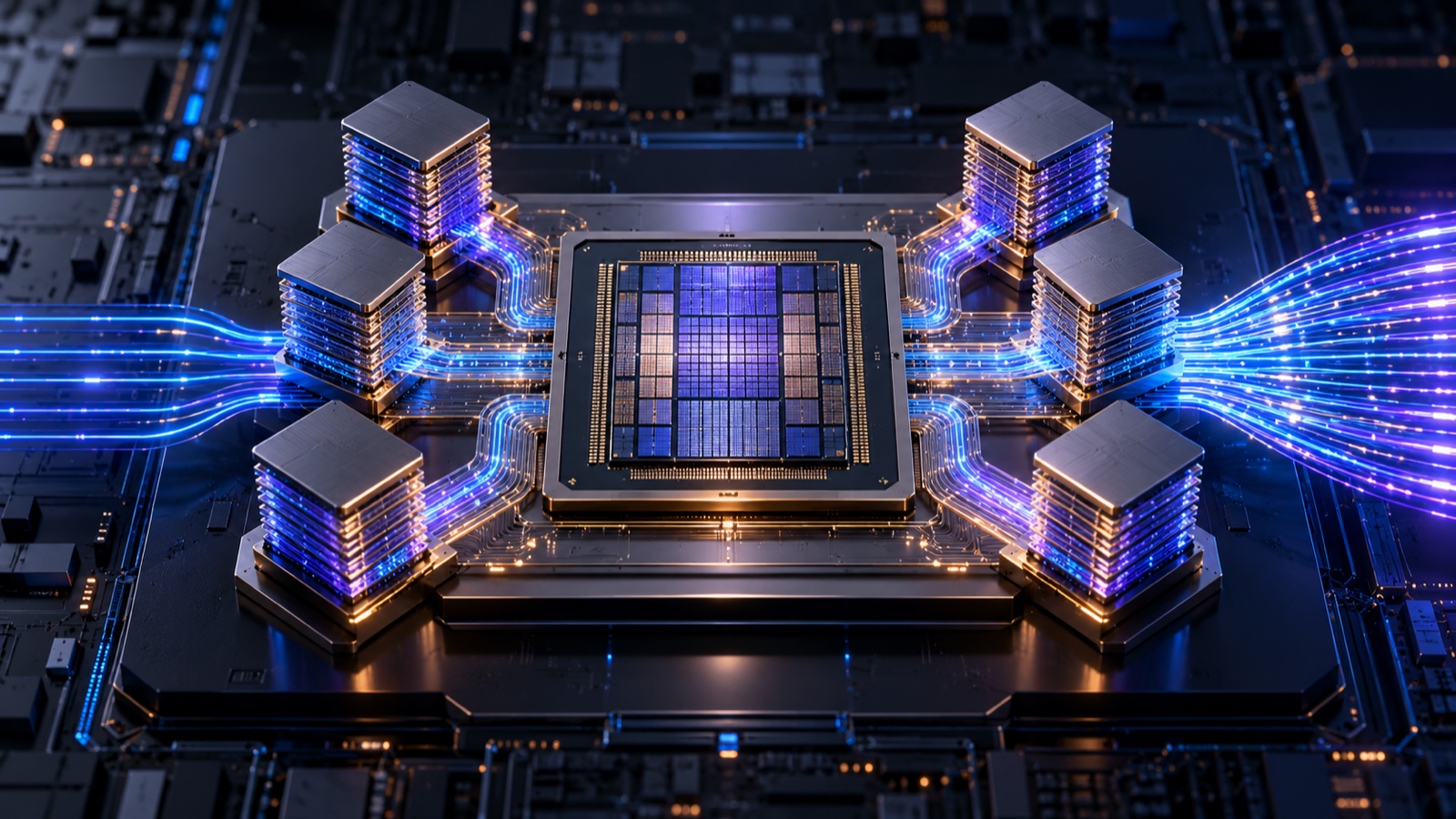
HBM4 doubles the per-stack interface to 2,048 bits. We test whether this is the last big bandwidth leap and what it means for AI inference.
HBM4 doubles the per-stack interface to 2,048 bits. We test whether this is the last big bandwidth leap and what it means for AI inference.
HBM4의 2,048비트 인터페이스가 GPU 대역폭을 어떻게 22TB/s까지 끌어올렸는지, HBM4E·HBM5와 AI 추론 병목의 투자 시사점을 검증합니다.
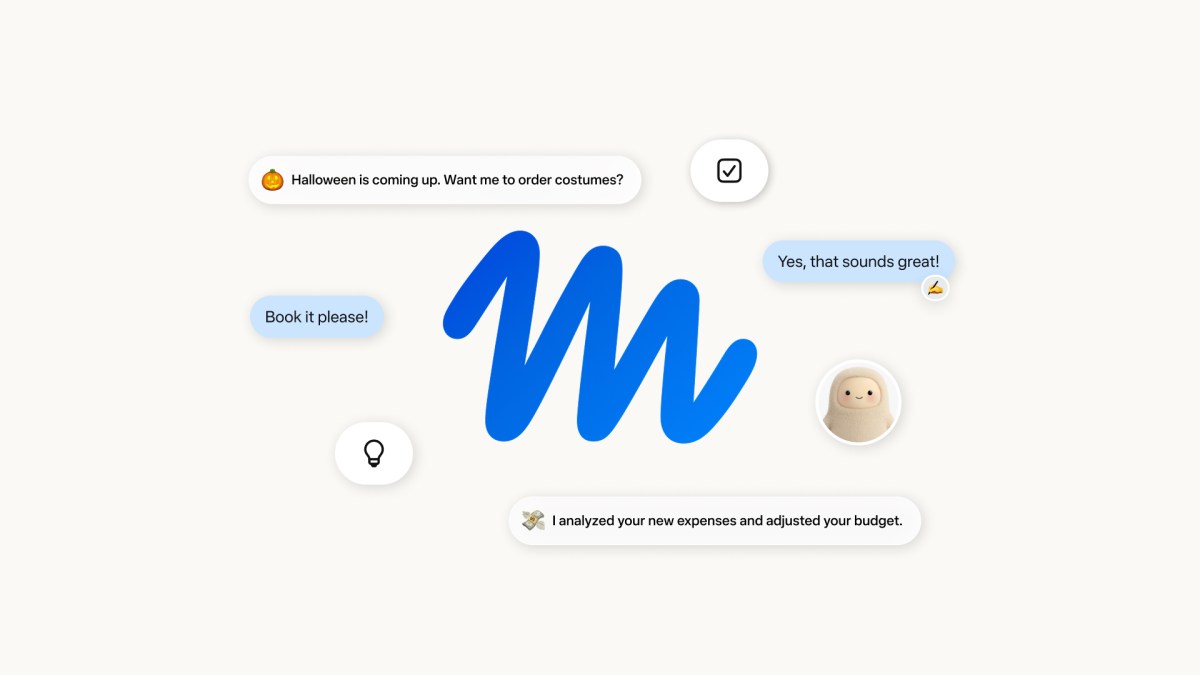
Meta Muse의 실제 사용 사례와 한계를 살펴보고 OpenClaw와 비교했습니다. Siri·Gemini 및 기존 AI 비서 서비스를 대체할 수 있는지도 분석합니다.
Meta Muse turns consumer AI into a task-running assistant. We test real use cases, compare it with OpenClaw, and assess whether it can replace Siri or Gemini.
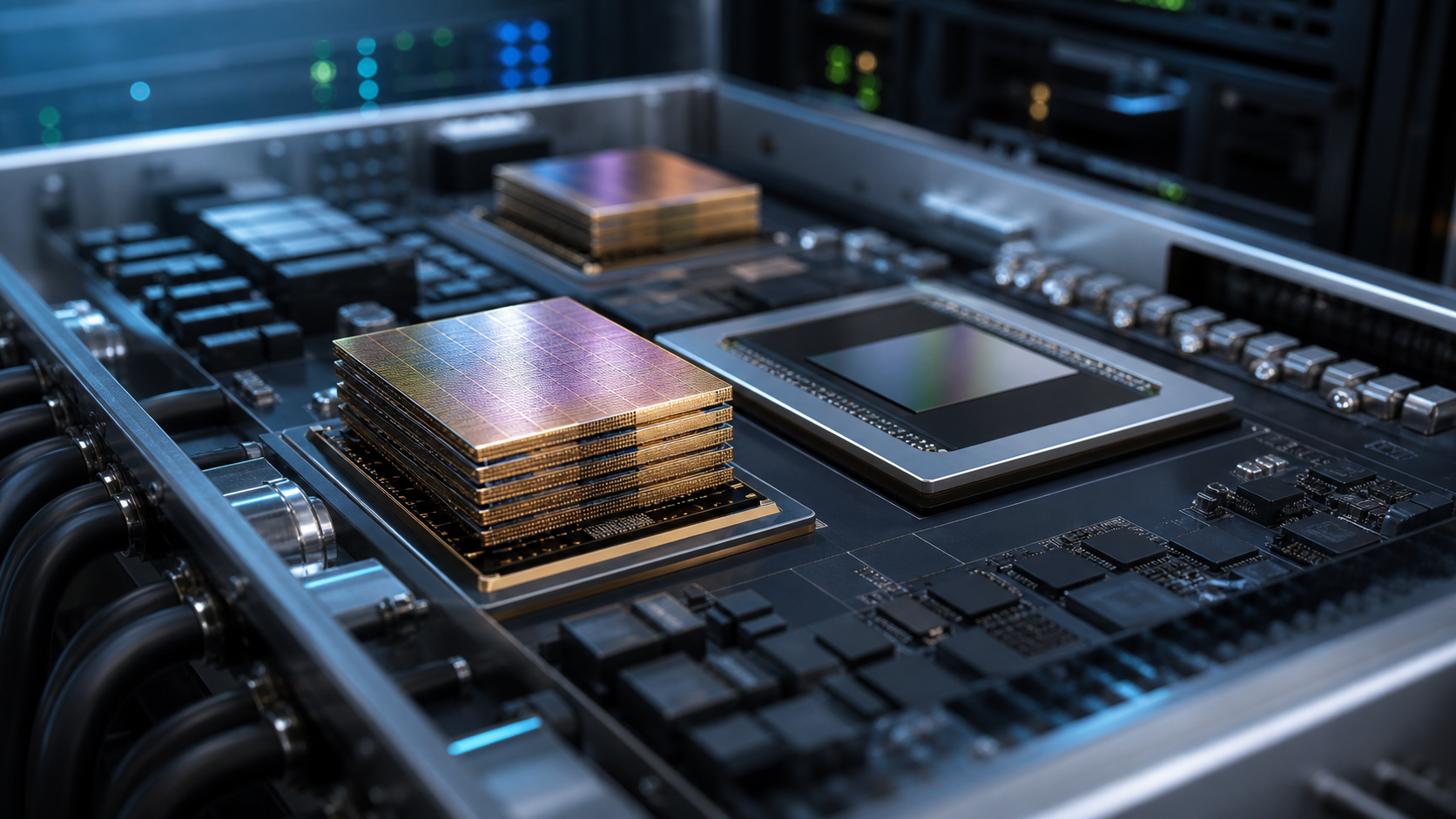
This article reviews the evolution from HBM1 to HBM3E and analyzes how HBM4 and HBM4E will reshape AI server platforms through a 2,048-bit interface, 32 independent channels, base dies, TSVs and interposers, and 12-high and 16-high stacking.
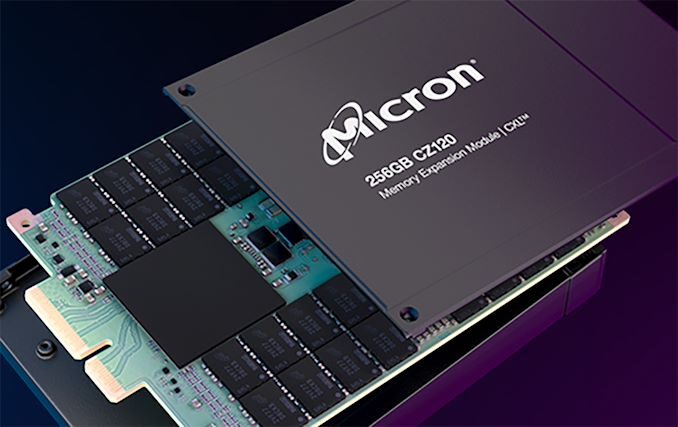
CXL memory is moving from concept to early commercialization as AI servers push memory expansion, pooling, and cloud infrastructure efficiency into focus.

트랜스포머, 전문가 혼합(Mixture of Experts), 추론 모델(reasoning model)이 현대 인공지능(AI)을 어떻게 만들었고 그래픽처리장치(GPU), 고대역폭 메모리(HBM), 메모리 대역폭, 데이터센터 인프라 수요를 왜 바꾸고 있는지 설명합니다.
How Transformers, Mixture of Experts and reasoning models built modern AI, and why they are reshaping demand for GPUs, HBM, memory bandwidth and data-centre infrastructure.

2026년 오픈소스, 오픈웨이트, 경제적 AI API 모델을 세대, 벤치마크 방법론, 토큰 가격, 컨텍스트 윈도우, 온디바이스 적합성, 기업 배포, 반도체와 클라우드 인프라 투자 시사점으로 비교합니다.
A practical 2026 comparison of open-source, open-weight, and economical AI API models, covering model generations, benchmark methodology, token pricing, context windows, on-device suitability, enterprise deployment, and semiconductor and cloud infrastructure implications.