
Updated: July 25, 2026 | Category: Technology | Primary keyword: Galaxy Z Fold8 review
Summary
- Samsung has now launched the Galaxy Z Fold8 series, so this article has been updated from a pre-launch preview into a launch-based review using official Samsung Newsroom information.
- The biggest change is lineup clarity: Galaxy Z Fold8 is the lighter content-first model, while Galaxy Z Fold8 Ultra becomes the productivity and creator flagship.
- The original “passport-size” idea was directionally right, but Samsung’s actual strategy is broader: multiple foldable shapes, AI experiences, official 4:3 and 10:16 screen ratios, and a higher Ultra tier.
(Advertisement)
Introduction: The Galaxy Z Fold8 Is No Longer a Rumor
The Galaxy Z Fold8 has now launched, which means the useful question is no longer what Samsung might do. The useful question is what Samsung actually shipped.
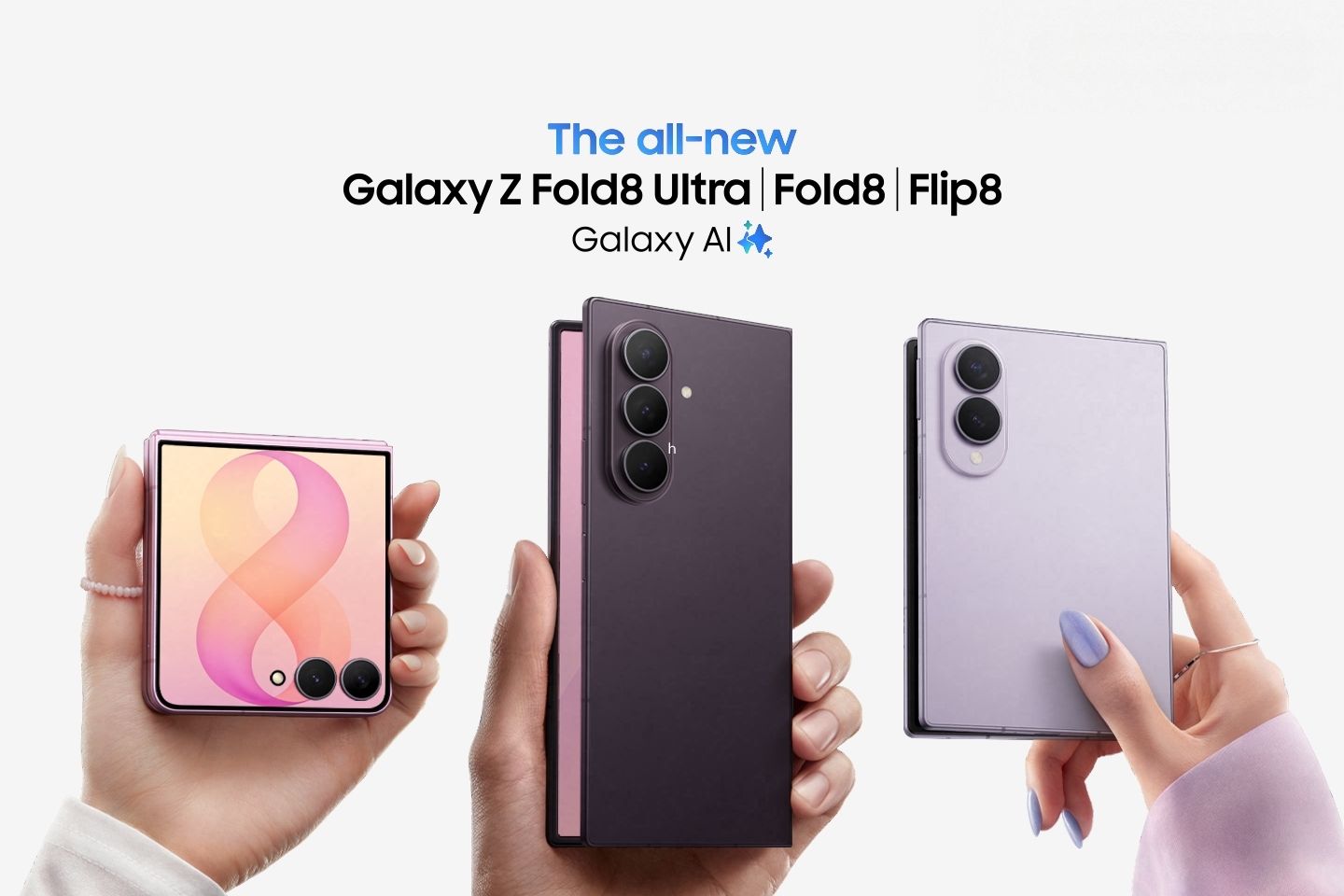
Samsung unveiled the new Galaxy Z series at Galaxy Unpacked on July 22, 2026. The family now has three distinct models: Galaxy Z Fold8 Ultra, Galaxy Z Fold8, and Galaxy Z Flip8. Samsung describes the lineup as three foldable experiences built for Ultra productivity, immersive discovery, and self-expression.
The earlier version of this post argued that Samsung needed a wider, more practical foldable rather than another narrow, remote-control-shaped device. After launch, the core point still holds, but the answer is more nuanced. Samsung did not simply make one wider Fold. It split the category more clearly: Fold8 for a lighter content-first wide foldable, Fold8 Ultra for maximum productivity, and Flip8 for pocketable everyday use.
What Samsung Actually Announced
The official launch matters because Samsung has moved the Fold line from one flagship idea into a small portfolio. Galaxy Z Fold8 is positioned as a fresh form factor for people who move between quick cover-screen interactions and deeper viewing, reading, gaming, and creativity on the main display. Galaxy Z Fold8 Ultra brings Samsung’s Ultra standard into foldables with a larger workspace, stronger camera system, bigger battery, and faster charging.
That distinction changes how this product should be reviewed. The Fold8 is not trying to be the ultimate spec machine. It is trying to make a foldable feel natural during ordinary content use. The Fold8 Ultra is where Samsung puts the heavier productivity and creator story.
Galaxy Z Fold8 Specs That Matter
The real Galaxy Z Fold8 is built around display ratio, weight, durability, battery, camera, and AI. Samsung says the device weighs just 201 grams, making it the company’s lightest Galaxy Z Fold yet. It uses the Snapdragon 8 Elite Gen 5 Mobile Platform for Galaxy and a 4,800 mAh battery.
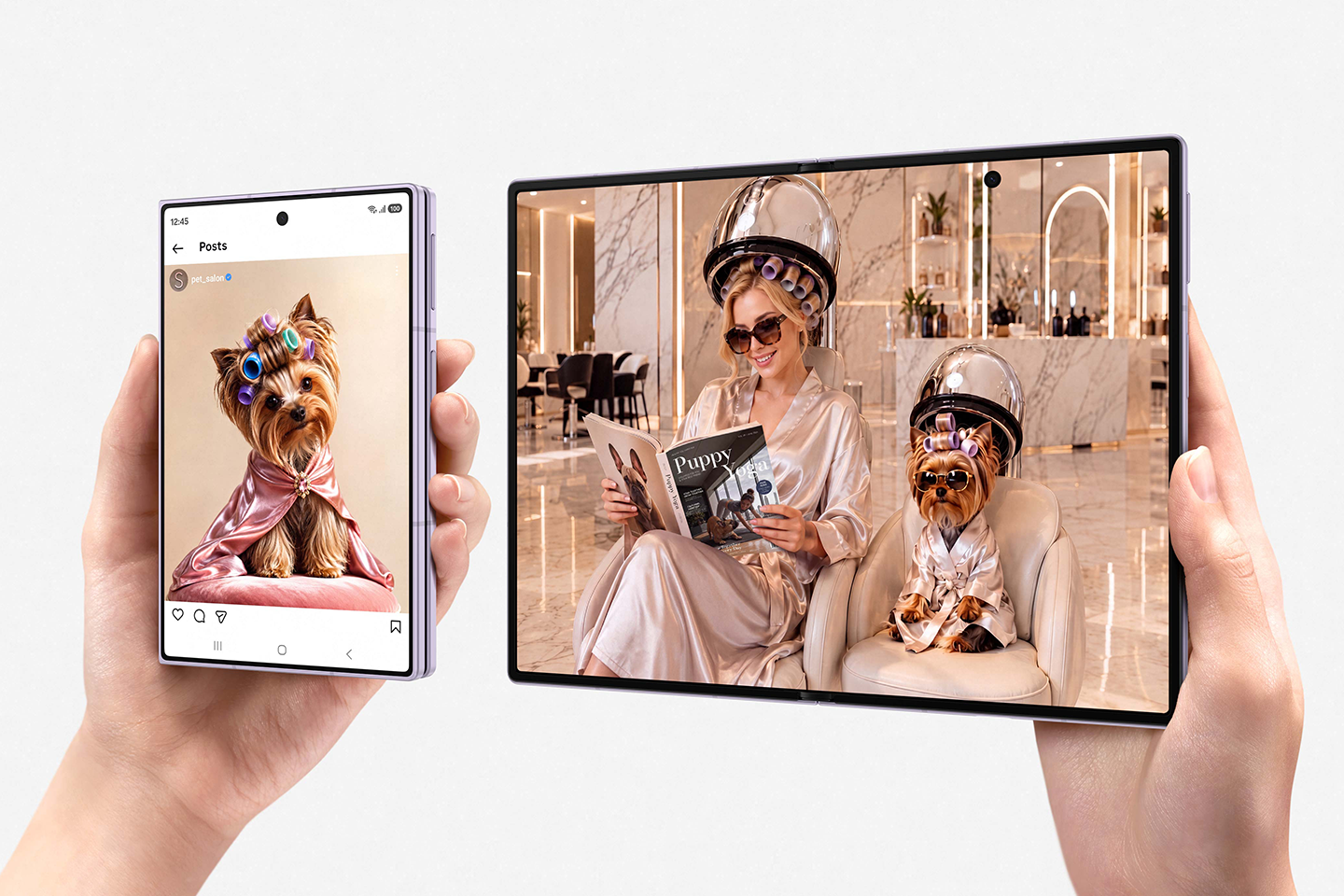
The display story is the most important part. When folded, the cover screen is 5.5 inches and uses an approximate 10:16 ratio. Samsung says this is intended for quick interactions such as messaging, social updates, browsing, and short-form video. When unfolded, the main screen is 7.6 inches with a 4:3 ratio. Rotated, the same screen becomes a 3:4 reading canvas for articles, e-books, and long-form content.
In practice, that confirms the basic design direction: Samsung is making Fold8 less like a narrow phone that opens into a compromise, and more like a device whose two states each have a defined purpose.
| Model | Positioning | Main display | Weight | Battery | Starting price |
|---|---|---|---|---|---|
| Galaxy Z Fold8 | Lighter content-first wide foldable | 7.6-inch, approximate 4:3 ratio | 201 g | 4,800 mAh | $1,899.99 |
| Galaxy Z Fold8 Ultra | Productivity and creator flagship | 8.0-inch main display | 215 g | 5,000 mAh | $2,099.99 |
| Galaxy Z Flip8 | Compact AI-native flip phone | FlexWindow plus flip display | 180 g | Not the focus of this review | $1,199.99 |
The Passport-Size Thesis Was Half Right
The original “passport-size foldable” thesis was that a foldable succeeds when the open screen is closer to a small notebook than to a stretched phone. The Galaxy Z Fold8 launch supports that idea through the 4:3 main display. A 4:3 canvas wastes less space for reading, browsing, document review, games, and split-screen layouts than a very tall foldable screen.
But Samsung’s answer is not a single passport-style device. It is segmentation. Fold8 gives users the practical wide-screen foldable. Fold8 Ultra gives power users a larger 8-inch workspace. Flip8 gives Samsung a more emotional and portable AI-native form factor. That is probably the right commercial move. One foldable shape cannot satisfy people who want a tablet replacement, a camera-first creator tool, and a compact fashion phone at the same time.
Flex Titanium: The Durability Claim Behind the Thinner Design
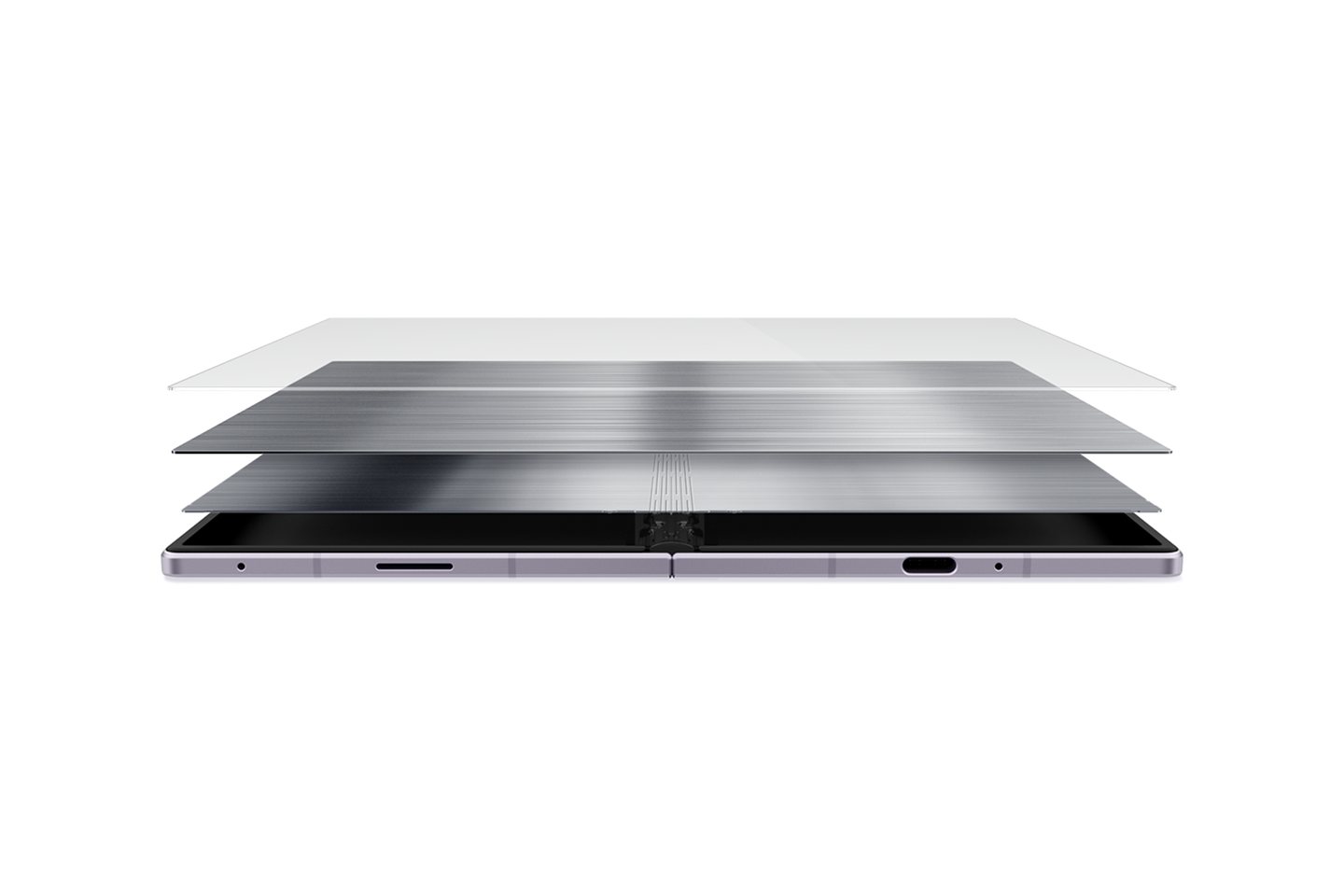
Samsung’s new Flex Titanium technology is one of the launch’s more important hardware claims. Samsung describes it as a titanium-based display structure that combines a titanium-alloy film with an enhanced titanium plate. The stated goal is to make the foldable thinner while maintaining durability, strengthening display support, absorbing pressure and impact, and reducing crease visibility.
This matters because foldables have always had two credibility problems: the hinge and the crease. Buyers may like the idea of a foldable, but many hesitate if the device still feels mechanically fragile. Samsung is trying to make the fold feel less like a liability and more like an invisible part of the device.
Camera: Fold8 Gets Dual 50MP, Ultra Gets the Creator System
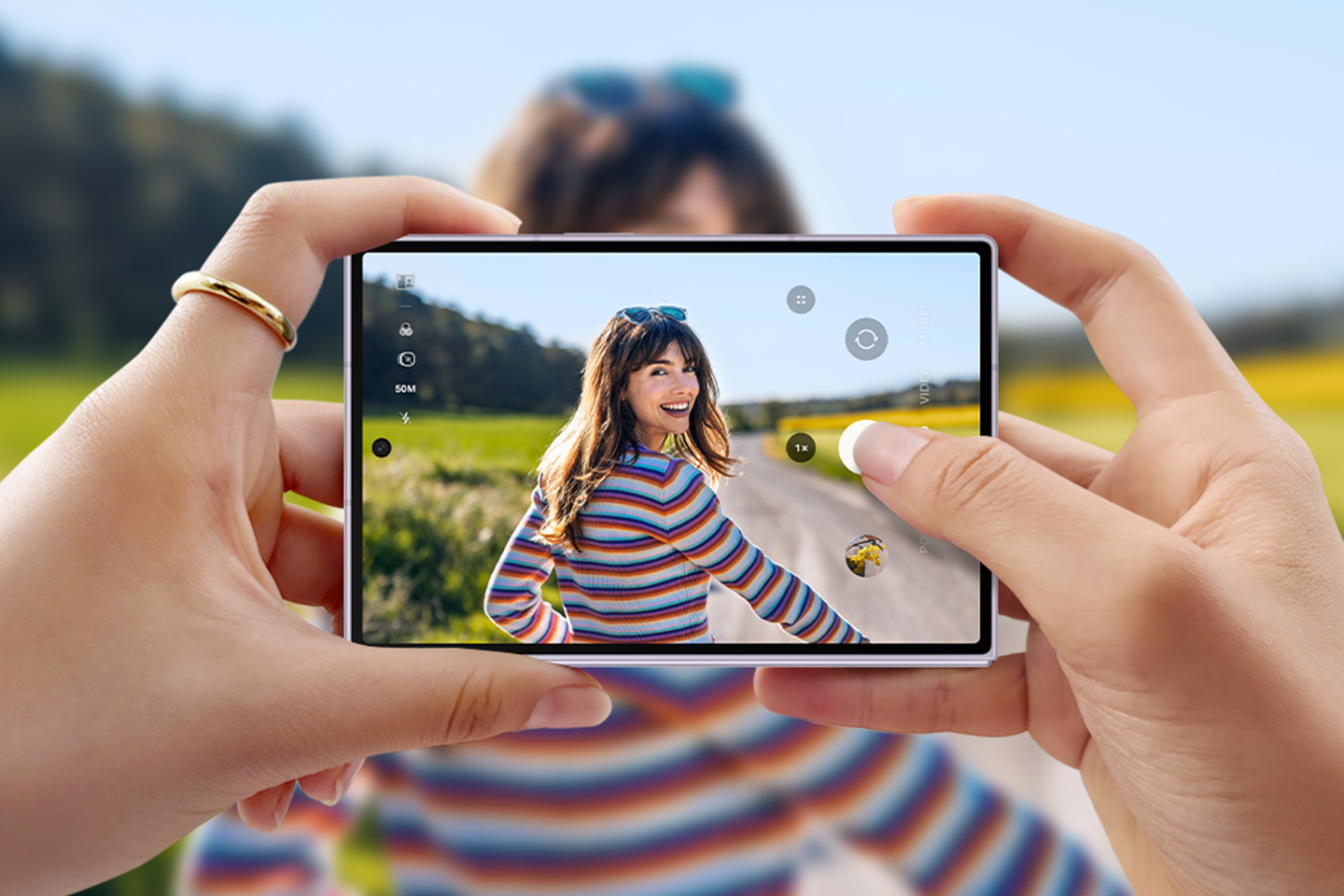
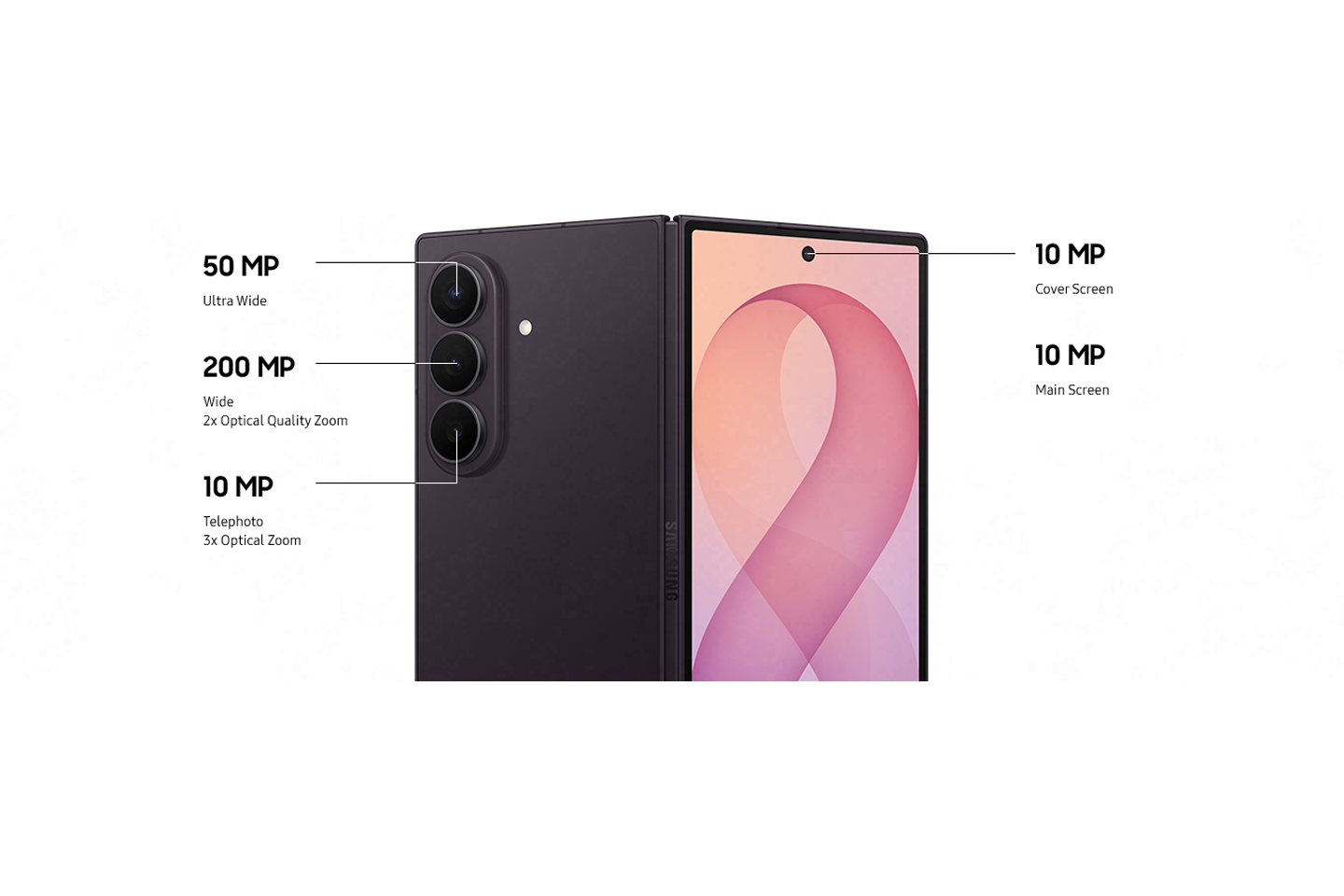
Galaxy Z Fold8 uses dual 50 MP cameras across wide and ultra-wide perspectives. Samsung also highlights Dual Recording, cover-screen preview, and My FanCam, a feature that tracks a selected subject and reframes video into a preferred aspect ratio for social-ready clips.
Galaxy Z Fold8 Ultra is the more serious camera device. It has a 200 MP main camera system, HDR support in 200 MP mode, a new 50 MP ultra-wide camera, improved Nightography, 8K video through the APV codec, and Cine LUT for cinematic color control. That is a clear separation: Fold8 is the everyday camera foldable; Fold8 Ultra is the creator foldable.
AI Is No Longer an Add-On
Samsung’s launch language makes AI central to the new Z series. Galaxy AI is optimized for each form factor, with multitasking on the large Fold screens and the AI-native FlexWindow on Flip8. Samsung also points to Gemini Intelligence, app automation across more than 40 supported apps and services, Gemini Notebook, Split view drag-and-drop, Now Brief, and Now Nudge.
The most interesting part is not the feature list. It is that Samsung is turning the foldable screen into an AI workflow surface. A larger display makes assistant output, source material, notes, images, and messages easier to place side by side. That gives Fold8 and Fold8 Ultra a clearer role than ordinary slab phones: not just asking AI a question, but working with the answer.
Pricing and Availability
Samsung says Galaxy Z Fold8 Ultra, Galaxy Z Fold8, and Galaxy Z Flip8 are available for pre-order from July 22, 2026, with general availability starting August 7, 2026. Galaxy Z Fold8 starts at $1,899.99, €1,999.00, or £1,699.00. Galaxy Z Fold8 Ultra starts at $2,099.99, €2,199.00, or £1,899.00. Both Fold models are available in 256GB, 512GB, and 1TB storage options. Galaxy Z Flip8 starts at $1,199.99, €1,299.00, or £1,149.00, with 256GB and 512GB options.
Color choices also show the segmentation. All devices are available in Graphite and Cream. Fold8 Ultra adds Violet Shadow and Green Shadow, with Green Shadow online-exclusive. Fold8 adds Lavender and Pistachio, with Pistachio online-exclusive. Flip8 adds Pink and Mint, with Mint online-exclusive.
What This Means for Buyers
If you want the practical version of Samsung’s wide foldable idea, Galaxy Z Fold8 is the cleaner choice. It is lighter, less expensive than the Ultra, and built around exactly the usage pattern most people actually need: quick phone-like actions on the outside, immersive content and reading on the inside.
If you want the biggest workspace, the stronger camera system, the 5,000 mAh battery, 45W fast charging, and the highest productivity ceiling, the Galaxy Z Fold8 Ultra is the more logical device. It is also the one that best competes with premium tablets, compact laptops, and creator phones.
The trade-off is price. At $1,899.99 for Fold8 and $2,099.99 for Fold8 Ultra, these remain premium devices. The new Fold8 series makes foldables more rational, but not cheap.
Investment and Market Implications
For Samsung, the Fold8 launch shows a more mature foldable strategy. Instead of betting everything on one flagship foldable, Samsung is treating foldables as a portfolio. That helps defend the premium Android category against Apple, Chinese foldable makers, and the gradual commoditization of ordinary slab phones.
The Fold8 Ultra also matters for margins. Ultra branding lets Samsung attach a higher starting price to the foldable category while justifying it with camera, battery, display, productivity, and AI workflow claims. The risk is volume: ultra-premium foldables can improve brand perception and average selling price, but they may not move mass-market units quickly.
The wider strategic point is that Samsung is trying to make foldables the physical home for mobile AI. If AI workflows work better on large, split-screen, context-rich displays, foldables have a stronger reason to exist. That is the real test for Galaxy Z Fold8: whether it becomes more than a beautiful device category and turns into the best daily interface for mobile AI.
Conclusion: A Real Fold8, and a Better Defined Category
The Galaxy Z Fold8 launch makes the earlier preview easier to judge. Samsung did move toward a more practical wide foldable. The 4:3 main display, 10:16 cover screen, lighter 201 g body, Flex Titanium display structure, dual 50 MP cameras, and AI-optimized workflows all point in that direction.
But the bigger story is the lineup. Galaxy Z Fold8 is the mainstream wide foldable. Galaxy Z Fold8 Ultra is the serious productivity and creator foldable. Galaxy Z Flip8 is the compact expression device. That structure makes more sense than trying to make one foldable do everything.
The final verdict is positive but disciplined. Galaxy Z Fold8 finally gives Samsung a clearer answer to the “why fold?” question: because a phone-sized device can become a better reading, video, multitasking, and AI workspace when it opens. Whether that is worth nearly $1,900 depends on the user. But after launch, the Fold8 is no longer just an interesting concept. It is Samsung’s most coherent argument yet for the everyday wide foldable.
Sources and Related Topics
- Samsung Newsroom U.S.: Galaxy Z Fold8 Ultra, Fold8, and Flip8 launch announcement
- Samsung Newsroom U.S.: Galaxy Z Fold8 content and display-ratio explanation
- Related topics: Galaxy AI, One UI 9, foldable smartphone design, Samsung Galaxy Z Fold8 Ultra, mobile AI productivity, foldable display durability.
Language versions:
한국어 원문 |
English version